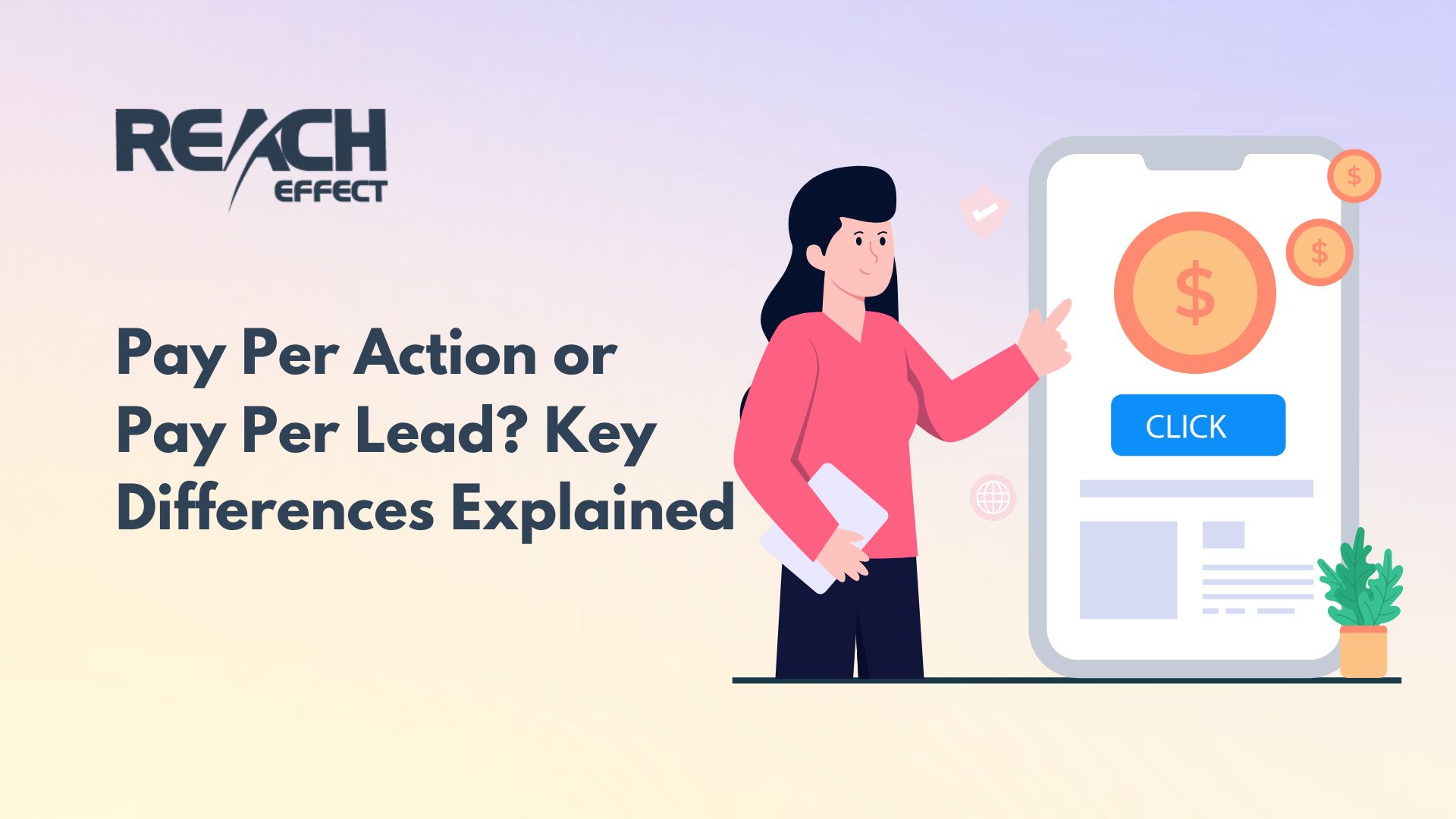
Online advertising can feel like a puzzle sometimes, with so many options to choose from. Two popular models you might come across are Pay Per Action (PPA) and Pay Per Lead (PPL). At first glance, they might seem pretty similar, but they work in different ways that can really shape your marketing plan.
In this article, we’ll explain what PPA and PPL mean, dig into their key differences, and help you figure out when each one might work best for your business. Let’s jump in and explore these advertising models together.
What is Pay Per Action?
Pay Per Action, often shortened to PPA, is a straightforward way to advertise online. In this model, you only pay when someone completes a specific action that you’ve decided matters to your business. This could be buying something from your website, downloading an app, signing up for a newsletter, or filling out a contact form. The big idea here is that you’re not spending money on ads just to get clicks or views. Instead, you’re paying for real results that tie directly to your goals.
Imagine you own an online clothing store. With PPA, you could set it up so you only pay when someone actually buys a shirt or a pair of jeans. This makes it a performance-based approach, which can save you money because your budget goes toward outcomes. It’s a practical choice for businesses that want to see clear, measurable success from their advertising efforts.
What is Pay Per Lead?
Pay Per Lead, or PPL, is another advertising model that’s similar to PPA but has its own twist. With PPL, you pay for each lead you get. A lead is someone who shows interest in what you’re offering by giving you their contact details, like an email address or phone number. The catch is that you’re paying for these potential customers, not for a guaranteed sale or action beyond that initial interest.
For example, let’s say you run a company that sells home improvement services. You might use PPL to collect the names and emails of people who want a free quote for a kitchen remodel. After that, it’s up to you to reach out and turn those leads into paying customers. This model shines for businesses that are good at following up and converting interest into sales over time. It’s all about building a list of people you can connect with later.
Key Differences Between PPA and PPL
Now that we’ve covered what PPA and PPL are, let’s look at how they differ. Understanding these distinctions can help you pick the right one for your online marketing strategy.
Outcome
The first difference is what you’re paying for. In PPA, your money goes toward a specific action, like a purchase, a download, or a sign-up. It’s all about getting that final step done. With PPL, you’re paying for leads, which are people who might become customers but haven’t committed yet. Think of PPA as buying a finished product and PPL as planting seeds that need some care to grow.
Cost
Cost is another area where these models split. Usually, PPL is cheaper per unit because a lead isn’t as far along as a completed action. For instance, paying for an email address might cost less than paying for a full sale. But PPA can end up being more expensive per action since it’s tied to something valuable, like a purchase. Your industry and the quality of leads or actions will affect the price, so it’s worth comparing what you’d spend versus what you’d gain.
Risk
Risk plays a role too. With PPA, you’re in a safer spot because you only pay when the action happens. If no one buys or signs up, you don’t spend anything. PPL, though, comes with a bit more uncertainty. You might pay for leads that never turn into customers, especially if your follow-up game isn’t strong. It’s a gamble that can pay off big or leave you with a list that doesn’t deliver.
Control
Finally, control differs between the two. In PPA, you have more say over what counts as a success since you define the action upfront. You decide if it’s a sale or a download that triggers the payment. With PPL, you’re counting on the advertising process to bring in good leads, which might mean trusting a platform or partner to find the right people. It’s a little less hands-on from your end.
When to Choose PPA or PPL
So, which model should you go with? It depends on what your business needs and how you operate. Here’s a breakdown to guide you.
When PPA Makes Sense
PPA is a great fit if you want solid, immediate results. If your goal is to drive sales, get app downloads, or have people sign up for a service right away, this model keeps things simple. It works well for businesses with a website that’s already good at turning visitors into buyers. For example, if you sell a product that people can’t resist once they see it, PPA ensures you only pay when they take the plunge. It’s also low-risk since you’re not spending unless you get what you want.
When PPL Works Best
PPL is the way to go if you’re focused on growing a pool of potential customers. It’s perfect for businesses with a solid sales team or a plan to nurture leads over time. Say you offer a course or a subscription; you could use PPL to gather emails from interested folks, then send them helpful info to seal the deal later. It’s a long-term play that builds your reach, especially if you’re confident in turning interest into action.
Using Both Together
Some businesses mix PPA and PPL to cover all bases. You could use PPL to find leads and build your audience, then switch to PPA for a big push, like a special sale or product launch. It’s a flexible approach that lets you adapt to different goals at different times.
Wrapping It Up
Both Pay Per Action and Pay Per Lead bring something valuable to the table for online marketing. PPA gives you quick, concrete wins by focusing on specific actions, while PPL helps you grow a list of leads to work with down the road. Think about what your business needs most, how you handle sales, and what kind of budget you’re working with. If you’re curious about diving deeper into these advertising models, Reacheffect offers tools and support to help you make the most of PPA and PPL campaigns. Whatever you choose, knowing these differences can steer you toward a smarter, more effective strategy.