






TThe 300×600 banner ad is one of the most widely used and successful display advertising formats in the field of digital marketing. Also referred to as the “Half Page” ad unit, this elongated rectangular format provides enough space for advertisers to present their message and is also highly visible on both desktop and mobile platforms.
Knowing the right ways to use 300×600 banner ads can result in a radical improvement of your display advertising efforts. This detailed manual includes everything from creative aspects to placement techniques, so that you can extract the most from your advertisement budget.
Define a 300×600 Banner Ad
The size of a 300×600 banner ad is a length of 600 pixels and a width of 300 pixels. Its shape is vertical and rectangular by nature. This format is double the height of the standard medium rectangle. The Interactive Advertising Bureau (IAB) counts this among one of the standard display ad formats. For a much smaller horizontal unit, see our guide to 468x60 banner ads.
Main Features of 300×600 Banner Ads
Dimensions and Aspect Ratio:
- Width: 300 pixels
- Height: 600 pixels
- Aspect ratio: 1:2 (portrait orientation)
- File size limit: Usually 150KB or less
High Visual Appeal: Thanks to the extra space, the tall format allows extensive creative designs, making it a perfect fit for product promotions, brand narratives, or even information-rich content without detracting from the user experience.
Placement Flexibility: 300×600 ads are capable of being placed effectively inside of a variety of spots on websites such as sidebars, content columns, and mobile placements. The various placements offered to publishers also make these ads good monetization tools.
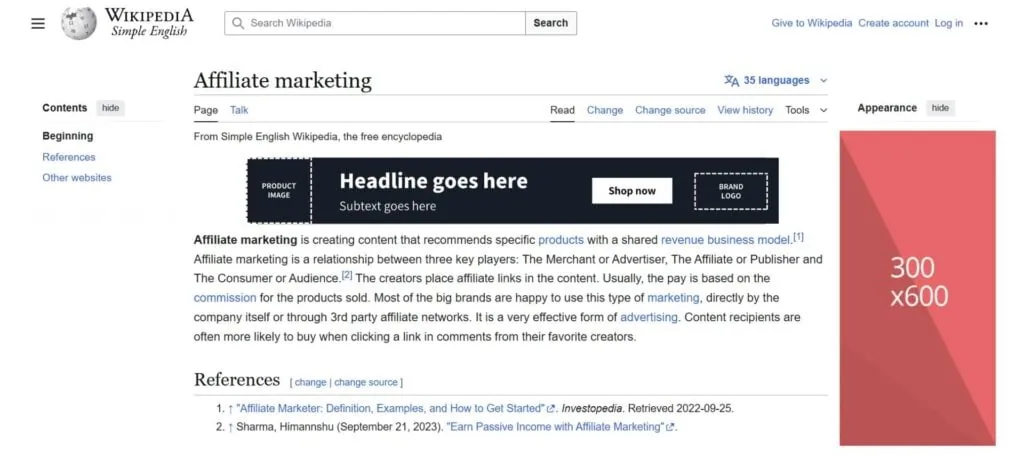
What Makes 300×600 Banner Ads Highly Effective
300×600 banner ads enjoy a high level of success due to a combination of features that appeal to both advertisers and publishers.
Visibility That Leads to Engagement
Always Visible: Thanks to their height, these ads at least partially stay on the screen even when users scroll, which means that users keep seeing the brand as they browse the website.
Click rates tend to be higher with 300×600 ads. They regularly reach 20-40% more clicks than typical rectangular ads.
More Memorable Branding: Since this format provides more space, it is possible to include detailed messages and eye-catching visuals which will lead to a better brand recall among the audience.
Design Flexibility with 300×600 Banner Ads
Opportunities for storytelling: Having extra vertical room means featuring several product photos, showing a sequence of steps, or telling a story visually, even without words.
Rich Media Features: This format enables the inclusion of interactive parts, videos, and animations that have a higher engagement rate than just static images.
Mobile Optimization: The vertical shape is a perfect fit for mobile screens making the ad appear seamlessly across all devices.
How To Design The Best 300×600 Banner Ads?
To create compelling 300×600 banner ads, you need to master the visual design fundamentals well as understand the ways users behave.
Visual Hierarchy and Layout Structure
Top-Heavy Design Approach: Focus on putting the most important elements and the call to action near the top where they will be seen and focused on even during scrolling.
Organize content logically from top to bottom according to priority:
- Logo and headline first
- Main product image or visual
- Supporting text and benefits
- Call-to-action button
- Contact information or extras
Make Good Use of White Space: You don’t have to fill up every pixel. Intentionally leaving white space makes your ad easier to read and helps highlight key elements.
Color Psychology and Brand Consistency
Keep brand colors intact while also ensuring sufficient contrast for readability.
Color Guide: Leverage colors to direct the viewer’s gaze. Use vibrant colors for call-to-action buttons and neutral colors for secondary information.
Background: Pick backgrounds that do not overshadow your main message. Light gradients or simple patterns are often more effective than busy photos.
Typography and Readability
Font Size Guidelines:
- Headlines: Minimum 24-28 pixels
- Body copy: Minimum 14-16 pixels
- Call-to-action text: Minimum 16-20 pixels
For the font, pick those which are safe and readable on different devices and browsers. Also, research shows that sans-serif fonts are the most with digital ads.
Text Amount: Keep the copy short. Users notice banner ads for only a handful of seconds, so the words are best worth their places.
Strategies for Effective 300×600 Banner Examples
There are a few features that the great 300×600 banner example designs share. These elements make the ads engaging and successful in terms of conversions.
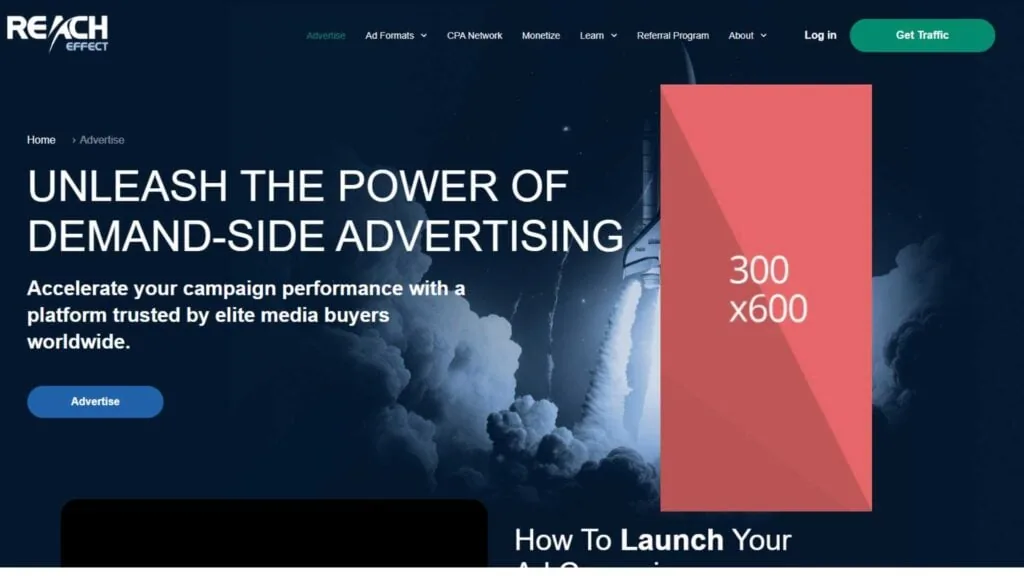
Product-Focused 300×600 Banner Example Layouts
E-commerce Showcase Design:
- Upper two-thirds is dedicated to a large product image
- Product name and primary benefit underneath the image
- Price tag and discount details (if any)
- “Shop Now” call-to-action button
- Brand logo in bottom corner
Multi-Product Comparison:
- Divide the vertical space into parts
- Display 2-3 related products with prices
- Add brief feature comparisons
- One call-to-action for the whole collection
Service-Based 300×600 Banner Example Approaches
Professional Services Layout:
- Image of the professional, or team photo
- Headline for service and value proposition
- Highlight key services or benefits
- Contact details and credentials
- Strong call-to-action
Software/App Promotion:
- Interface screenshot or mockup
- Major features with icons
- User review or rating
- Download button or Free trial offer
Creative 300×600 Banner Example Techniques
Storytelling Format: Use the vertical area to tell a compact story that takes the users from recognizing the problem to seeing the solution.
Interactive Elements:
- Hover changes that show more details
- Clickable product tabs
- Mini games or quiz related to your product
Video Integration:
Place short video clips that auto-play on hover or click, adding dynamic content that grabs attention.
Technical Specifications and Requirements
Knowing the technical features of 300×600 banner ads will allow your creatives to be properly displayed across all platforms and devices.
File Format and Size Considerations
Recommended File Formats:
- Still photos images: JPG or PNG
- Animated content: GIF or HTML5
- Rich media: HTML5 with fallback options
Optimization Guidelines: Keeping file sizes under 150KB is crucial for faster loading and improved user experience. Files exceeding the limits may be rejected by ad servers or cause slow page loading.
Animation Specifications:
- Maximum 30 seconds for animated sequences
- Loop no more than 3 times
- Include static fallback for networks that don’t support animation
Cross-Platform Compatibility
Desktop Optimization: Make sure that the ads are visually sharp on high-resolution monitors while also loading fast.
Mobile Responsiveness: Check the adaptation of your 300×600 banner ad to various screen sizes and orientations.
Browser Testing: Perform cross-browser compatibility testing on Chrome, Firefox, Safari, and Edge.
Placement Strategies for Maximum Impact
The placement of your 300×600 banner ad greatly influences its performance and users’ engagement.
Website Placement Options
Sidebar Positioning: Website sidebars are the most popular place for 300×600 banner ads because they blend with the content without distracting the readers.
Content Integration: If you want to grab the reader’s attention, go for in-content placement where the ad is placed between paragraphs or sections.
Footer Placement: Even though footer placements are less noticeable, they can be a low-cost option for brand awareness campaigns targeted at users who read the whole article.
Programmatic Advertising Considerations
Real-Time Bidding (RTB): 300×600 banner ads yield good results in programmatic environments where automated bidding finds the best placements.
Private Marketplace Deals: A number of leading publishers hold their top 300×600 spaces for private marketplaces which translates into better placement and audience quality.
Direct Publisher Relationships: Securing valid placements of your 300×600 banner ads can also be achieved by partnering with relevant websites.
Measuring 300×600 Banner Ad Performance
Monitor the appropriate metrics to both improve your campaigns and prove the return on your investment.
Essential Performance Metrics
Click-Through Rate (CTR): Typical industry rates for 300×600 banner ads are between 0.05% and 0.15%, however, this depends on the industry and targeting.
Viewability Rates: It is a measure of how often users actually get to see your ad. As a rule, 300×600 formats have higher viewability than smaller banner sizes.
Conversion Tracking: It is essential to understand how many clicks end up in the desired action like purchases, sign-ups, or downloads.
Advanced Analytics and Attribution
Heat Mapping: Use heat map analysis tools to identify which parts of your 300×600 banner ads are drawing the most attention and resulting in interactions.
A/B Testing: Try out different versions of your ads with varying designs, messages, and call-to-action positions to continually improve performance.
Cross-Device Tracking: Analysis of how and when users encounter your ads on various devices is vital in understanding the entire customer path.
Cost Analysis and Budget Planning
You must familiarize yourself with the market to plan budgets rightly while running campaigns for 300×600 banner ads.
Pricing Models and Market Rates
Cost Per Mille (CPM): Being the largest banner ad with better performance metrics, 300×600 unit sizes often command higher CPM rates than smaller formats.
Cost Per Click (CPC): The CPC levels may rise, however, improved click-through rates often come down to better cost efficiency overall.
Performance-Based Pricing: Some publishers offer various pricing options like paying only for conversions or a number of actions performed by visitors.
Budget Optimization Strategies
Frequency Capping: Restrict the number of displays to a single user for your 300×600 banner ads in order to avoid banner blindness and make better use of your budget.
Dayparting: Run your ads only in the hours when your audience is most likely online and engaging with content.
Geographic Targeting: Decide the areas where you want to allocate your budget by focusing on your product or service availability and relevance.
Industry-Specific Applications
Many industry sectors can profit from different aspects of 300×600 banner ads to attain their objectives.
E-commerce and Retail
Product Catalogs: Take advantage of the vertical space to feature several products or different views of the same product.
Seasonal Promotions: Use great visuals and time-limited offers to create excitement and drive sales.
Customer Reviews: Presenting testimonials and ratings fosters trust and helps ensure customer satisfaction.
Financial Services
Service Comparisons: Lay out different financial products or service levels in a clear, concise manner for the readers to easily understand.
Trust Indicators: Showcase security logos, certificates, and compliance information among the other details.
Educational Content: Employ the available space to help visitors understand unfamiliar concepts or processes.
Technology and Software
Feature Demonstrations: Illustrate with examples or large images how your product works or describe the process.
Free Trial Promotions: Tell your visitors that trial periods are 100% risk-free and even that they’re legally allowed to cancel at any time.
Integration Showcases: Feature the logos of other platforms and services that work well with your product.
Conclusion
The 300×600 banner ad unit is an effective way for advertisers to captivate and convert their audience. It offers a vast area for creativity, great exposure at different devices, and is a must-have alongside other display advertising methods.
Getting the most out of 300×600 banner ad campaigns involves being extremely detail-oriented with your creative aspects, technical standards, and where you put your ads. Make sure you implement the practices shown here and keep testing and adjusting your advertising to achieve great results.
Finally, do not forget that the recipe for a good 300×600 banner ad is a strong visual appeal along with concise messaging which together provide a top-notch user experience. No matter how digital advertising changes, this adaptable format will always be a great tool for marketers aiming at grabbing attention and engaging their audience.